WORK BOOTS
Protection Built Into Every Layer
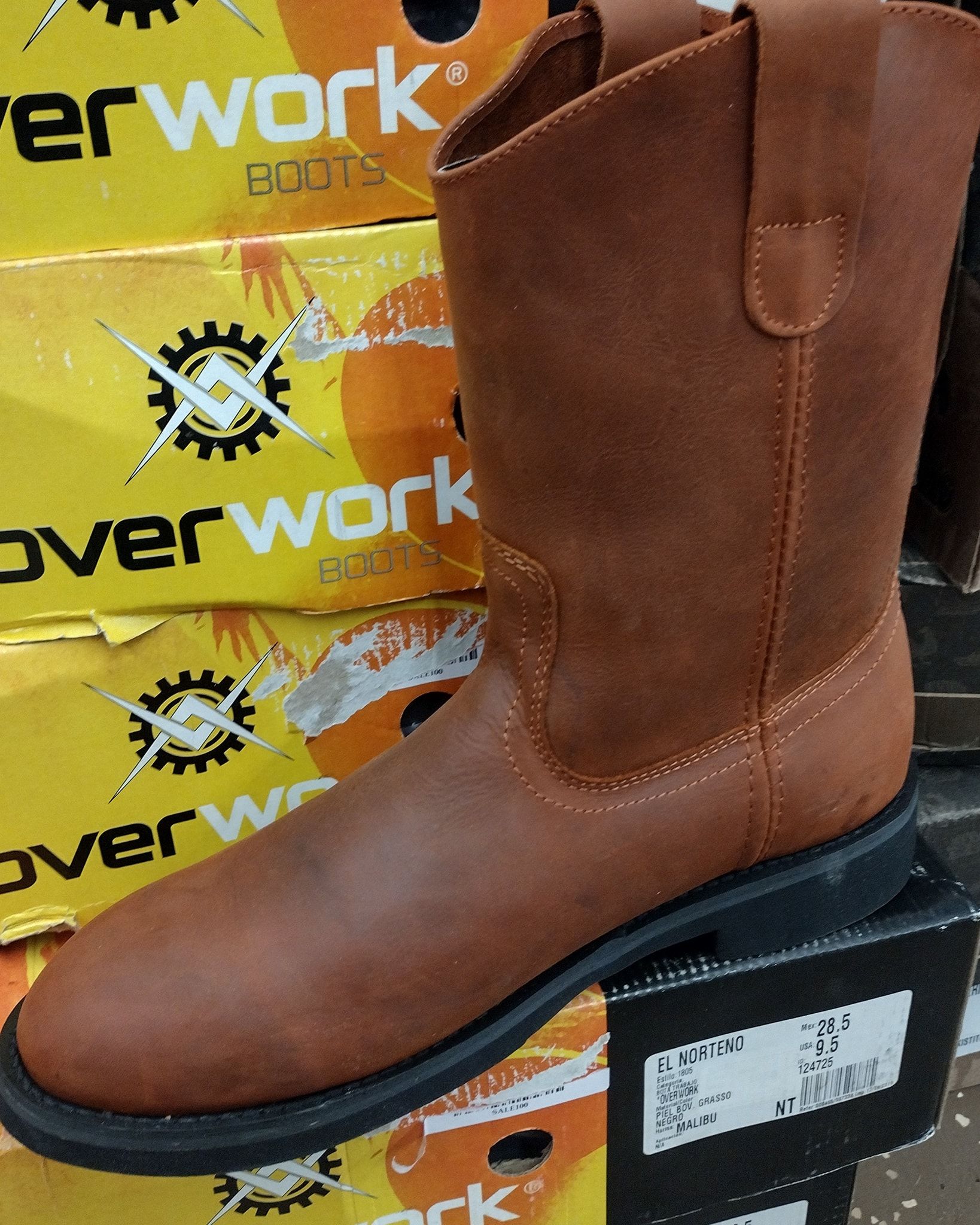
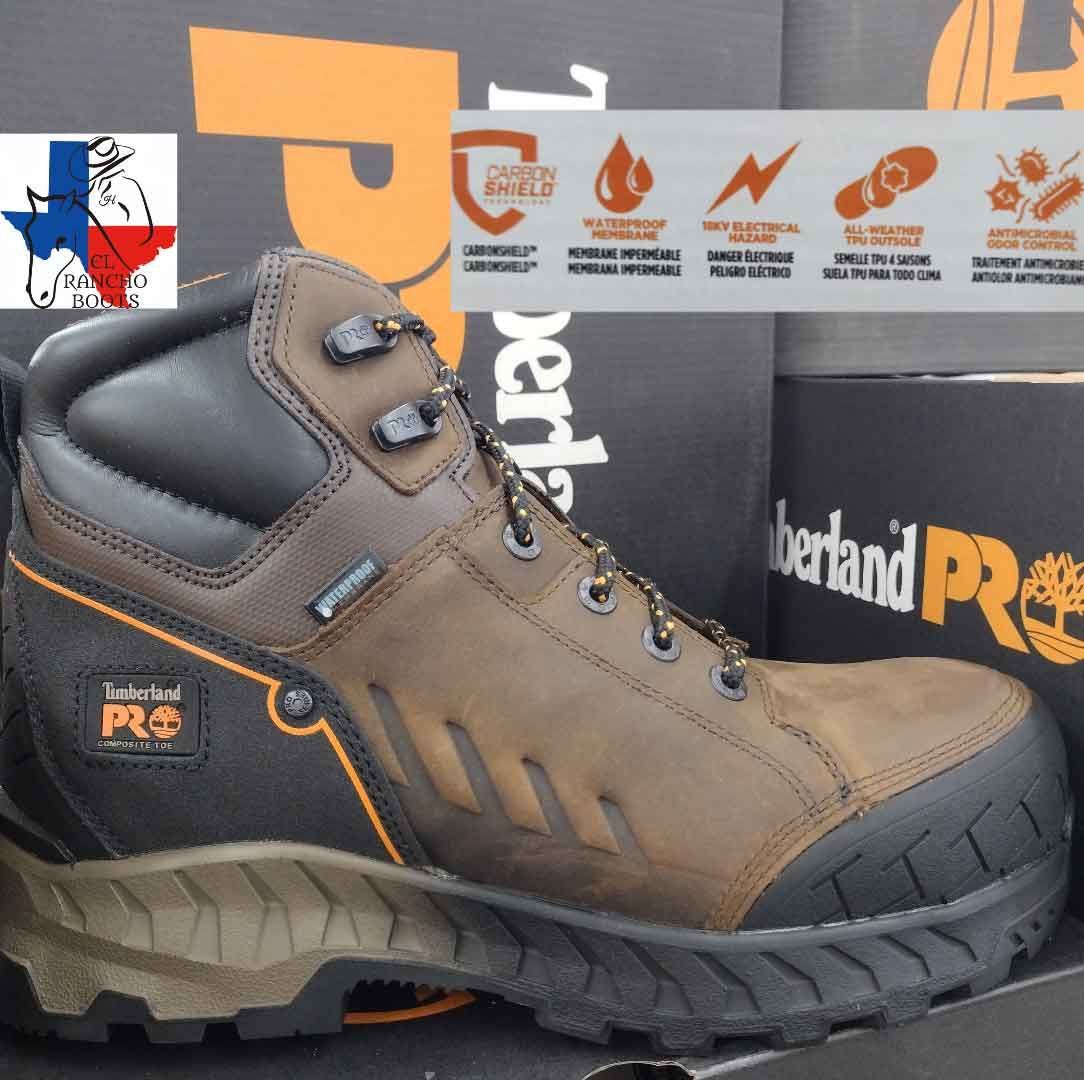
Work Boots in Midland for oilfield, construction, and industrial job sites
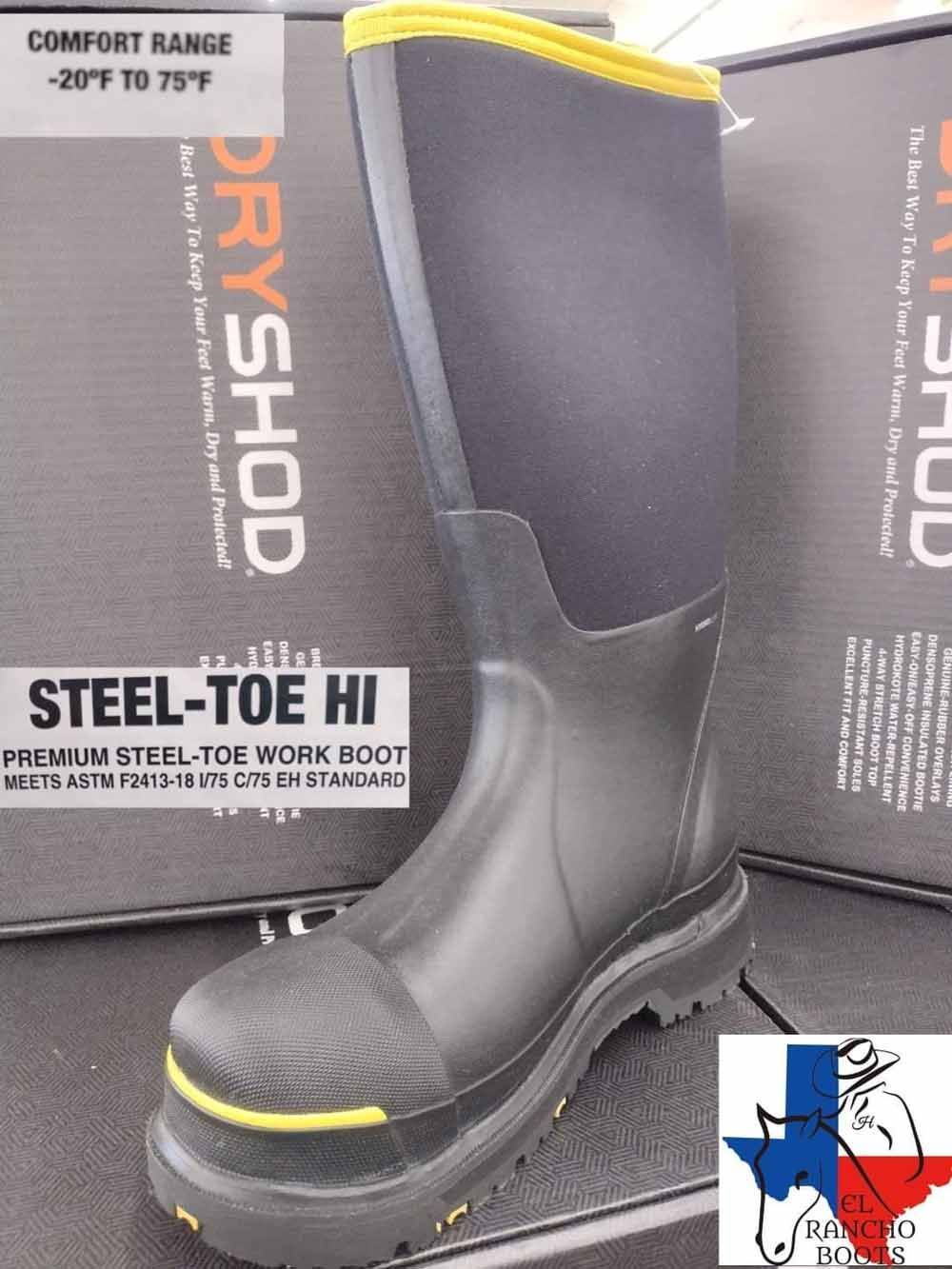
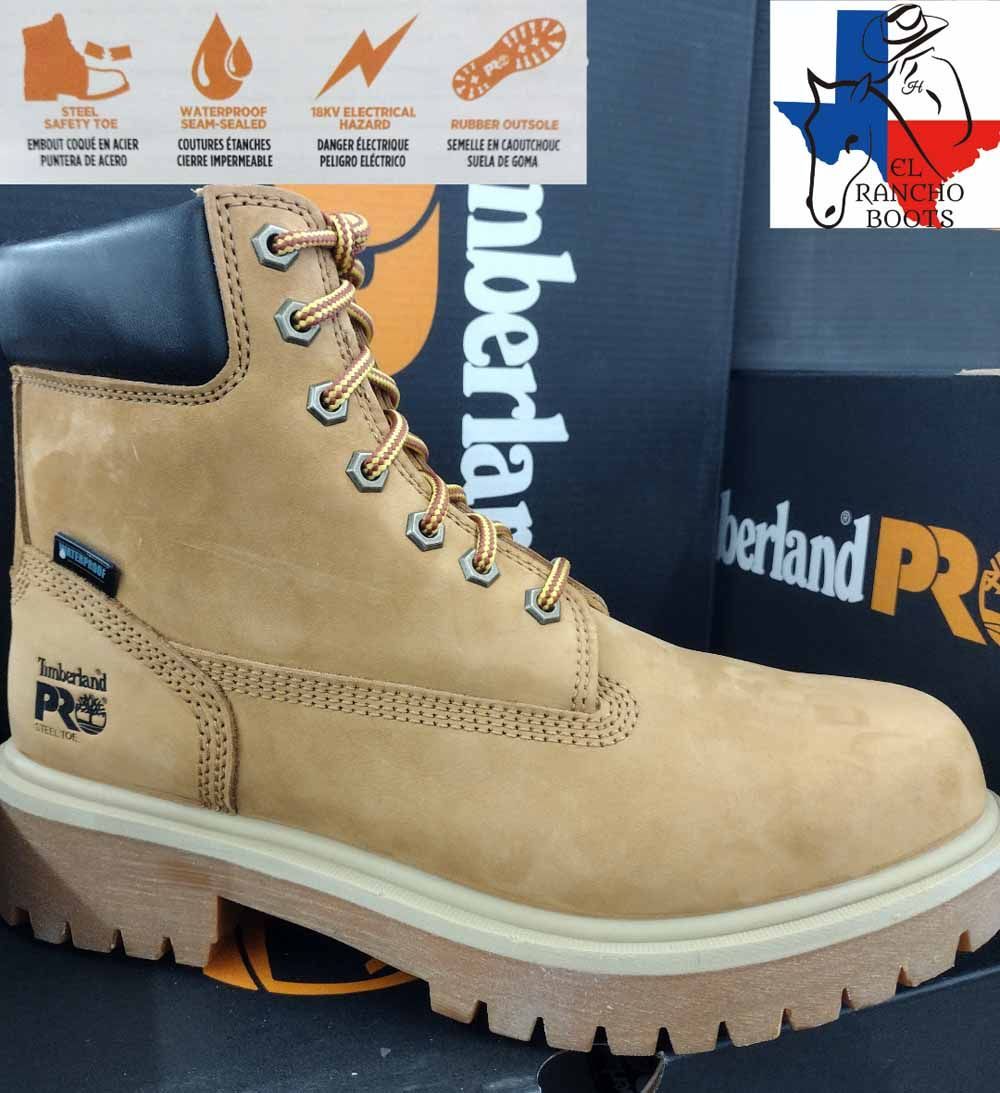
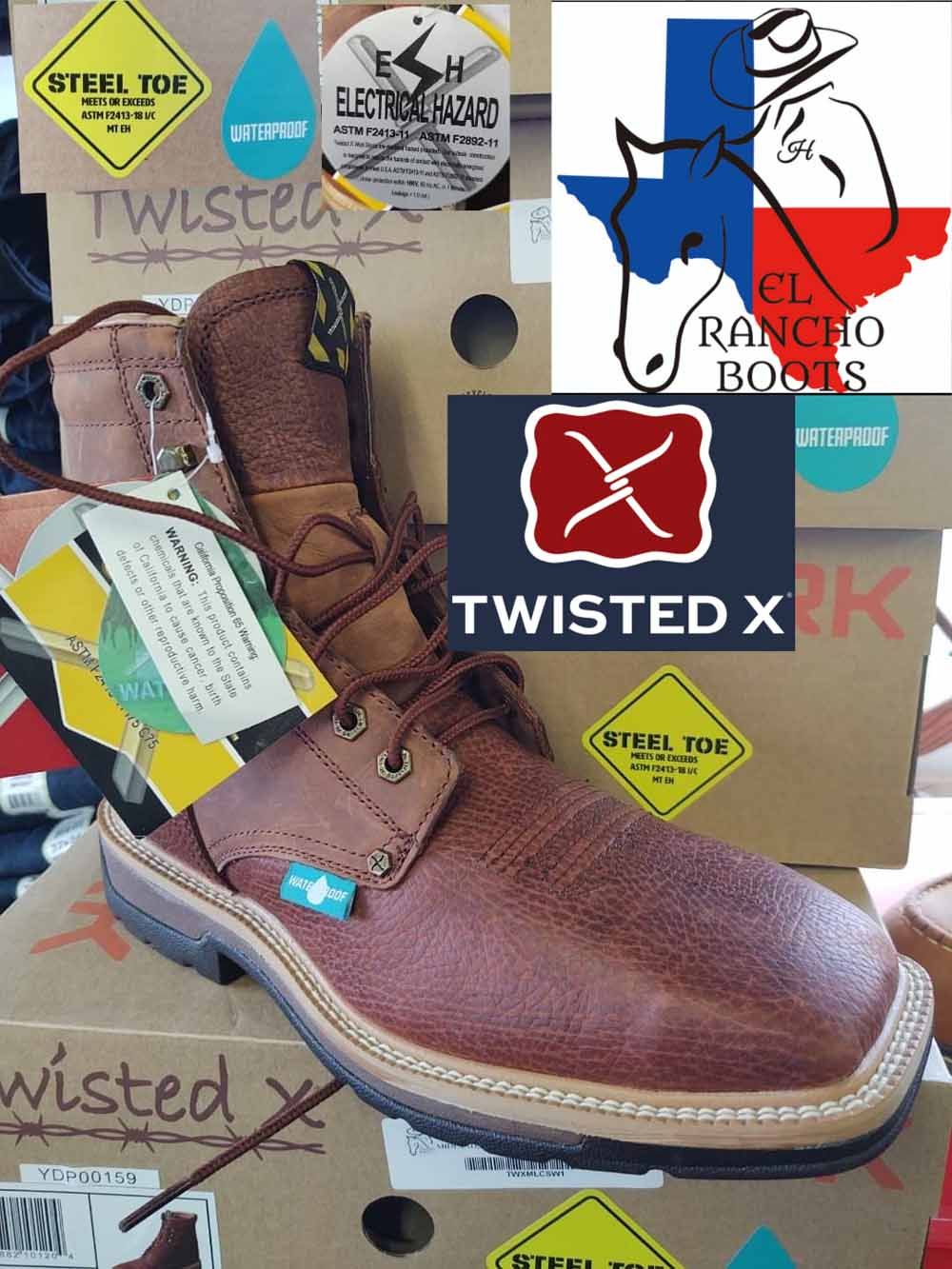
Job site safety starts with footwear that prevents slips, resists punctures, and protects your toes from falling objects without falling apart after a few months of daily use. You need boots that grip on oily metal grating, withstand exposure to chemicals and petroleum products, and provide support during ten or twelve-hour shifts in extreme heat. El Rancho Boots stocks work boots with slip-resistant outsoles, safety toe options including steel and composite materials, and oil-resistant leather that does not break down when exposed to the fluids common on Midland-area oilfield and construction sites.
The difference between a boot that lasts six months and one that lasts several years comes down to how the sole attaches to the upper, the quality of the leather used in high-wear areas, and whether the construction includes reinforcements at stress points like the toe, heel counter, and flex points. Boots built for demanding work include features like puncture-resistant midsoles and electrical hazard protection that meet OSHA and ASTM standards required on many industrial job sites.
Stop by for personalized recommendations based on your specific job requirements and to get properly fitted before purchasing.
What Safety Features and Fit Accomplish
Slip-resistant outsoles use tread patterns and rubber compounds designed to maintain grip on surfaces contaminated with oil, mud, or water, reducing the fall risk that causes the majority of job site injuries. Safety toes protect against impact and compression injuries, with steel toes offering maximum protection and composite toes providing lighter weight and better insulation in temperature extremes. Boots with these features must fit correctly to function as intended—a safety toe that is too tight restricts circulation, while one that is too loose allows your foot to slide forward during impact, reducing protection.
Once you are wearing properly fitted work boots with appropriate safety features, you notice improved stability on uneven ground, reduced foot and leg fatigue due to better arch support and cushioning, and confidence moving across slick or cluttered surfaces without constant worry about slipping. Your feet stay drier because oil-resistant leather repels fluids instead of absorbing them, and the boots maintain their shape and support even after months of exposure to heat, dirt, and chemicals.
El Rancho Boots carries work boots with varying levels of insulation for temperature control, different sole thicknesses for puncture resistance versus flexibility trade-offs, and multiple width options to accommodate feet that standard sizing does not fit well. The selection includes both lace-up and pull-on styles depending on whether you need the adjustability of laces or the convenience of slip-on boots when you are getting in and out of vehicles frequently.
What Customers Ask About Job Site Footwear
Workers in local industries want clear answers about safety ratings, durability expectations, and how to choose between different protective features.
What is the difference between steel toe and composite toe protection?
Steel toes offer the highest impact and compression resistance but conduct temperature extremes and add weight, while composite toes made from materials like carbon fiber or Kevlar provide ASTM-rated protection at lighter weight and better temperature insulation, though they typically cost more and may have a bulkier toe box shape.
How do I know if a boot has adequate slip resistance for oilfield work?
Look for outsoles labeled as meeting ASTM F2913 slip resistance standards and constructed from rubber compounds that remain flexible in heat, with deep lug patterns that channel fluids away from the contact surface rather than smooth or shallow treads that hydroplane on wet or oily surfaces common across Midland job sites.
Why do some work boots cause foot pain even when they fit?
Insufficient arch support, inadequate cushioning in the midsole, or a footbed that does not match your arch type all contribute to pain during long shifts, and many work boots prioritize protection over comfort, requiring aftermarket insoles to provide proper support for extended standing and walking on concrete or uneven ground.
When should I replace work boots that still look usable?
Replace boots when the tread is worn smooth and no longer provides grip, when cracks in the leather expose the interior to fluid penetration, when the toe protection is dented or compromised, or when the sole separates from the upper, all of which reduce safety and protection on the job.
What boot height works best for my type of work?
Six-inch boots provide ankle support and protection for general construction and warehouse work, while eight-inch or taller boots offer additional lower-leg protection for welding, brush clearing, and environments with more hazards at shin level, though taller boots reduce ankle mobility and may feel restrictive if you spend significant time climbing or kneeling.
El Rancho Boots provides expert fitting and guidance to match work boot features to your specific job site conditions and safety requirements. Visit the Midland store to compare protection levels, try on different safety toe styles, and make sure your boots fit correctly before you depend on them in demanding work environments.